
seasonal health
Dealing with Allergies and Asthma in Children
January 21, 2025 · Little Angels PPEC
Dealing with Allergies and Asthma in Children
Jan 22, 2025
Allergies and asthma are common conditions in children that can significantly affect their quality of life. Proper management and understanding of these conditions can help children lead healthy, active lives.
**Understanding Allergies and Asthma
What are Allergies?
**Allergies occur when the immune system reacts to a foreign substance such as pollen, pet dander, or certain foods. Common allergic reactions include sneezing, itching, rashes, and swelling.
**What is Asthma?
**Asthma is a chronic respiratory condition where the airways become inflamed and narrow, making it difficult to breathe. Common symptoms include wheezing, coughing, shortness of breath, and chest tightness.
Causes and Triggers
**Common Allergens
**Common allergens that can affect children include:
- Pollen: Trees, grass, and weeds
- Dust mites: Tiny bugs living in household dust
- Pet dander: Skin flakes from animals
- Food: Nuts, dairy, eggs, and shellfish
- Insect stings: Bee or wasp stings
Asthma Triggers
Asthma can be triggered by a variety of factors, including:
- Allergens: Same as above
- Exercise: Physical activity can induce asthma symptoms
- Cold air: Breathing in cold air can trigger symptoms
- Respiratory infections: Colds or flu
- Smoke: Tobacco smoke or other air pollutants
Symptoms Allergy Symptoms
Symptoms of allergies in children can include:
- Sneezing
- Runny or stuffy nose
- Itchy or watery eyes
- Hives or skin rashes
- Swelling of lips, tongue, or face
Asthma Symptoms
Symptoms of asthma can include:
- Wheezing
- Coughing, especially at night or early morning
- Shortness of breath
- Chest tightness or pain
**Management Strategies
****Avoiding Triggers
**Identifying and avoiding triggers is crucial in managing both allergies and asthma. Here are some tips:
- Keep windows closed during high pollen
- Use dust-proof covers on pillows and
- Keep pets out of the child’s
- **Avoid smoking around
**
**Medications
**There are various medications available to manage allergies and asthma:
- Antihistamines: For allergy symptoms
- Nasal corticosteroids: To reduce nasal inflammation
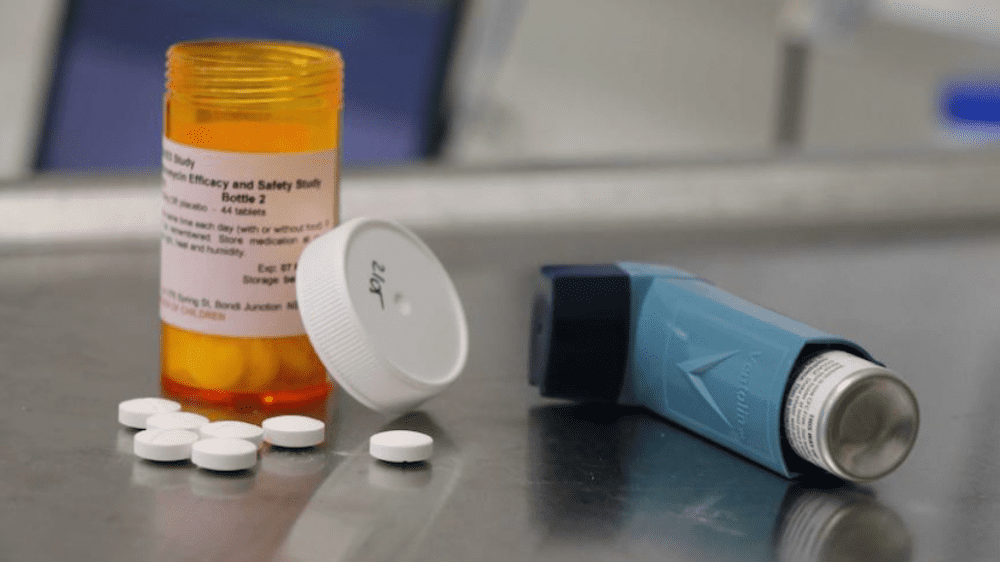
- Inhalers: For quick relief and long-term asthma control
- Leukotriene modifiers: To reduce asthma symptoms
Developing an Action Plan
Work with your child’s healthcare provider to develop a personalized action plan. This plan should include:
- Daily management routines
- Emergency steps for asthma attacks
- Medication schedules
Regular Check-Ups
Regular visits to the doctor are essential to monitor the child’s condition and adjust treatment plans as needed. This helps in managing symptoms effectively and preventing complications.
Little Angels PPEC
Average Rating: 5/5